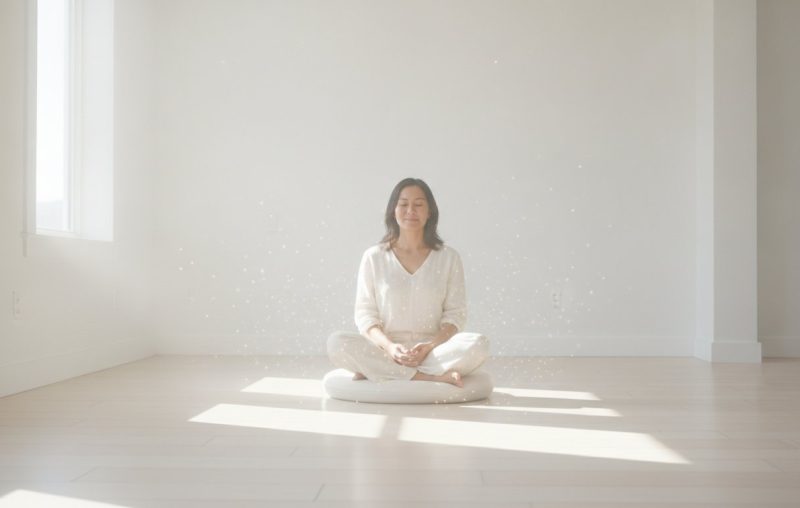

What if the most profound healing doesn’t require you to “do” anything at all? Perhaps you’ve spent your week feeling like a tightly wound spring, unable to quiet the noise or truly settle into your own skin. You might find yourself wondering, how does reiki work, and is it possible for something so subtle to create a real shift in your well-being? It’s exhausting to live in a constant state of “on,” where the mind races even when the body is still. It’s time to honour your need for a moment where you don’t have to manage or direct your own healing.
I understand that it can be hard to trust in the unseen, especially when you’re searching for a grounded way to feel better. This guide is here to offer you a soft place to land. We’ll explore how this gentle practice invites your nervous system to move from a state of high alert into one of deep, restorative balance. You’ll discover the practical connection between energy flow and your body’s natural ability to organize its own recovery. Whether you’re a curious skeptic or someone ready to reclaim your inner stillness and return to your centre, let’s look at how this path can help you feel whole again.
Key Takeaways
- Learn how the gentle Japanese technique of Reiki channels universal life force energy to reduce stress and invite a sense of deep relaxation.
- Understand how does reiki work to guide your nervous system away from “fight-or-flight” and into a state of restorative safety.
- Discover what to expect during a session, including how a quiet environment and staying fully clothed honours your personal boundaries and comfort.
- Explore the connection between energy flow and mental clarity, including how Akashic Reiki can harmonize your soul’s unique journey.
- Gain confidence in choosing a practitioner who supports your autonomy and integrates this practice beautifully with your conventional care.
Understanding the Flow: How Reiki Works With Your Energy
Reiki is a gentle Japanese technique designed for stress reduction and relaxation. It’s an invitation to pause; a soft place to land when the world feels too loud. At its heart, the practice is a blend of two concepts: “Rei,” which refers to the universal wisdom that guides the creation of the universe, and “Ki,” the life force energy that flows through all living things. When you begin to wonder how does reiki work, or look into What is Reiki?, you’re essentially exploring the relationship between these two forces. Reiki acts as a bridge between internal stillness and external vitality.
In a session, the practitioner doesn’t “give” you their own energy. Instead, they act as a conduit. They’re a steady, open channel through which this universal life force can flow to where it’s needed most. You remain the expert of your own body; the energy simply follows your innate wisdom to help you return to a state of balance. This unhurried process honours your autonomy, ensuring that you’re supported rather than directed. It’s a quiet conversation between your energy and the universe, facilitated by someone who understands how to hold space for your healing.
The Concept of Universal Life Force Energy
“Ki” is the vital force that animates every breath you take. It’s the same energy that makes the seasons change and the flowers bloom. Sometimes, life feels heavy. During periods of grief, chronic stress, or illness, this natural flow can become restricted. You might feel “stuck” in your thoughts or physically “drained” of your usual spark. It’s a common experience, and it’s your body’s way of telling you it’s time to rest. Reiki works by gently encouraging this flow to resume its natural rhythm, much like clearing a path for a stream that has been blocked by debris. This subtle movement helps you realize that your capacity for rest is sacred.
The Biofield: Your Subtle Energy Landscape
Your body is more than just bone and muscle; it’s surrounded by a vibrational energy field often called the biofield. Think of this as your personal energetic map, where you hold the unspoken stories and the tension of your days. When you’re overwhelmed, this map can become cluttered or jagged. During a session, a practitioner uses their hands to sense these subtle shifts in resonance. By focusing on these areas, they help to smooth and balance the landscape. Understanding how does reiki work in this context means seeing it as a way to clear energetic blockages. This allows your own natural healing systems to function with greater clarity and ease. It’s about creating space for your spirit to breathe again in a safe, non-judgmental environment.
From Fight-or-Flight to Stillness: The Nervous System Connection
Whether you’re juggling a demanding career or navigating the quiet weight of personal transition, your body often stays stuck in a state of high alert. This “fight-or-flight” response is meant for survival, but living there day after day is exhausting. When exploring how does reiki work, it’s helpful to look past the abstract and focus on the tangible way it communicates with your nerves. Reiki invites your body to realize it is safe in this exact moment. It provides the space needed for spiritual healing for nervous system regulation to begin. Once your body understands there is no immediate threat, its natural self-regulating mechanisms can finally resume their work.
Shifting Into the Parasympathetic State
During a session, you might notice your breathing become deeper and more rhythmic. Your heart rate slows. The tight knots in your shoulders or the clenching in your jaw begin to soften. These are physical signs that you’re transitioning from the sympathetic nervous system to the parasympathetic state. This state is the “centre” of all physical and emotional healing; it’s where the body repairs itself. Think of it as a calm harbour after a turbulent storm at sea. While the waves outside may still be high, you’ve found a protected space where you can finally lower your anchor and rest. While researchers continue to study the scientific evidence for Reiki, many people find that this profound relaxation is the key to their recovery.
Why Safety Is the Foundation of Healing
True healing cannot be forced. It requires a foundation of absolute safety. By acting as a “Gentle Guide,” a practitioner ensures you feel unmanaged and deeply supported. There is no pressure to “fix” yourself or reach a specific milestone by the end of the hour. You don’t have to perform. When your nervous system feels this lack of demand, it stops defending and starts opening. Emotional stability naturally follows this physical ease. You might find that thoughts which felt overwhelming an hour ago now feel manageable. This shift is a core part of how does reiki work to restore your sense of self. It validates that your need for stillness isn’t a luxury; it’s a requirement for your well-being. If you’re seeking reiki for stress relief in Winnipeg as a way to find your way back to centre, this foundation of safety is where that journey begins. If you’re ready to experience this shift, you might consider booking a restorative session to reconnect with your inner quiet.
The Gentle Process: What Actually Happens During a Session
Stepping into a session is an invitation to leave the noise of the outside world behind. The setting is intentionally created to be a quiet, comfortable space designed for reflection and deep rest. You might find soft lighting, the subtle scent of lavender, or perhaps a gentle hum of silence that allows your mind to finally settle. Unlike other forms of bodywork, you remain fully clothed throughout the entire process. This ensures your physical boundaries are honoured, allowing you to feel completely safe and secure as you begin your journey toward balance. Understanding how does reiki work on a practical level starts with this foundation of absolute comfort.
Every session is a unique experience tailored to your specific needs on that day. There is no rigid script to follow. Instead, the process unfolds at a pace that feels right for you. While the setting is deeply personal, you can find helpful foundational Reiki information from the NCCIH regarding its safety and general practice. Whether you choose to sit in a supportive chair or lie on a cushioned table, the focus remains entirely on your comfort and your autonomy. You are the navigator of this experience; the practitioner is simply there to hold the light.
The Gentle Art of Hand Placement
During the treatment, the practitioner uses a series of specific hand positions. These often focus on the head, the torso, and the back, where we tend to hold the most tension. The hands may rest with a light, non-invasive touch or hover just a few inches above the body. These placements act as “anchors,” providing a sense of grounding that helps you feel present and held. You are always in control of your space. If a particular position feels uncomfortable or if you prefer no physical touch at all, the session is easily adjusted. This flexibility is a core part of how does reiki work to foster a sense of trust and safety.
Sensations and Experiences During Treatment
As the energy begins to flow, you may notice a variety of sensations. It’s common to feel a gentle warmth radiating from the practitioner’s hands or a subtle tingling in your own body. Some people describe a deep sense of heaviness, as if they are sinking into a cloud of peace. You might also experience:
- Visual imagery, such as soft colours or drifting shapes.
- A sudden, quiet release of emotions that have been tucked away.
- A state of “waking sleep” where the mind is still but aware.
It’s also perfectly normal to feel nothing at all. A lack of intense sensation doesn’t mean the work isn’t happening. Sometimes, the most profound shifts occur in the quietest moments of stillness. Your experience is valid exactly as it is, without any need for external metrics of success.

Deepening the Connection: Emotional and Akashic Dimensions
Healing often starts with the body, but it truly flourishes when it reaches the heart. Once your nervous system finds its centre, the spirit begins to speak. This is where we explore the profound role of reiki for mental clarity. By harmonizing the resonance between your heart and your spirit, you create space for a deeper kind of stability. You might wonder, how does reiki work when the “stuckness” you feel isn’t physical but emotional? It works by gently illuminating the shadows, allowing old patterns to dissolve in the light of present-moment awareness. It’s a process of unburdening, where you finally give yourself permission to let go of what no longer serves your journey.
This deeper connection is about more than just feeling better in the moment; it’s about creating a lasting sense of internal alignment. When your energy is clear, your decisions become easier and your path feels more certain. You’re no longer fighting against your own internal current. Instead, you’re flowing with it, trusting that your heart knows the way home. This is the beauty of energy work; it meets you exactly where you are and gently guides you toward where you’re meant to be.
Clearing Emotional Blockages
We all carry echoes of our past experiences. Sometimes, unprocessed emotions manifest as a kind of energetic “static” in our field. This static makes it incredibly difficult to hear our own intuition or feel at home in our own skin. Whether you carry the sharp edge of recent grief or simply a quiet, persistent heaviness that you can’t quite name, Reiki offers a way through. It doesn’t require you to relive difficult memories or talk through every trauma until you’re exhausted. Instead, it gently dissolves the energetic knots that hold those emotions in place. It’s a quiet, non-prescriptive way to return to your natural state of flow. This gentle release allows you to move through the world with a lighter heart and a clearer mind.
Akashic Reiki: Healing at the Soul Level
For those seeking both peace and a sense of purpose, Akashic Reiki offers a unique path. The Akashic Records are often described as a soul-level library; a vast collection of every experience and lesson your soul has ever known. By integrating this wisdom with the flow of Reiki, we can harmonize your soul’s eternal journey with your current life. This combination helps you understand how does reiki work to bring clarity to your life path. It’s about finding the “why” behind the “what,” allowing you to move forward with a sense of alignment and grace. You aren’t just relaxing your muscles; you’re realigning your entire being with its highest potential. If you’re ready to explore these deeper layers of your own landscape, you can schedule an Akashic Reiki session to begin this transformative discovery.
Embarking on Your Healing Journey: Integration and Support
As you stand at the beginning of your healing journey, remember that your intuition is your most reliable guide. It’s that soft, internal nudge that tells you when a space feels safe or when a person resonates with your energy. While you now have a clearer picture of how does reiki work, the true discovery happens when you allow yourself to experience it first-hand. It’s a path of unhurried exploration. There is no rush to reach a destination. Instead, focus on finding a practitioner who feels like a peer, walking alongside you with patience and quiet strength. This relationship is built on trust and a shared respect for your internal landscape.
Complementary Care and Professional Standards
Reiki is a complementary practice that works beautifully alongside conventional medical care and traditional therapies. It’s important to realize that Reiki does not replace medical diagnosis or psychotherapy. Rather, it acts as a supportive layer that enhances your body’s natural resilience while you undergo other treatments. Whether you are navigating a physical recovery or seeking emotional stability, this practice provides a foundation of calm. If you are experiencing the deep exhaustion that comes with prolonged stress, exploring reiki for burnout may offer a meaningful starting point for your recovery. Professional standards matter deeply in this field. Advanced training ensures that a practitioner has the skills to hold space with grace, honouring your boundaries and your unique pace. This expertise allows them to support your nervous system with the sensitivity it requires.
Finding a Wise Companion for Your Path
Finding the right practitioner is about finding a wise companion for your journey. You deserve a “soft place to land” in a world that often demands more than you have to give. An ideal guide is someone who respects your autonomy, never prescribing a “right” way to feel or progress. They are there to support your discovery, not to manage it. As you integrate this practice into your life, try to view it not as a temporary “fix,” but as a lifelong practice of returning to your centre. It’s about the beauty of simply being present with yourself without judgment. In that stillness, you find the clarity and strength that have been within you all along. This is the heart of how does reiki work; it’s a gentle reminder that you are already whole and worthy of rest.
Returning to Your Natural State of Balance
Reclaiming your sense of peace is a quiet, sacred process. Through our exploration, you’ve seen how this practice serves as a bridge to stillness, inviting your nervous system to release the weight of chronic stress and return to its natural centre. Whether you are seeking relief from physical tension or a deeper emotional resonance, understanding how does reiki work allows you to approach your healing with a sense of grounded confidence. You don’t have to navigate this path alone; your need for rest is valid and worthy of support.
We are here to walk alongside you as a wise companion. From our professional training workshops for deep spiritual development to compassionate guidance through Akashic Reiki and Records readings, our focus remains on your autonomy and well-being. If you are seeking a soft place to land, we invite you to explore our Therapeutic Reiki treatments and begin your own restorative journey. Trust in your own timing. You are exactly where you need to be, and the path forward is as gentle as you allow it to be.
Frequently Asked Questions
How does Reiki work exactly if the practitioner doesn’t touch me?
Reiki works by interacting with your biofield, or energy landscape, rather than relying on physical manipulation. The practitioner’s hands act as anchors or conduits for universal life force energy. Whether they use light touch or hover their hands just above you, the resonance remains the same. This non-invasive approach ensures your physical boundaries are always respected while still allowing for a deep energetic shift to occur.
Can Reiki help with my anxiety and chronic stress?
Yes, Reiki is exceptionally effective at inviting the nervous system into a state of deep, restorative balance. By shifting your body from a “fight-or-flight” state into the parasympathetic “rest and digest” mode, it helps lower heart rates and soften muscle tension. This transition creates a sense of safety that allows the mind to quiet. You’ll find it much easier to manage daily pressures when your internal landscape feels settled and calm.
Is there any scientific evidence that Reiki is effective?
While research is ongoing, organizations like the National Center for Complementary and Integrative Health (NCCIH) acknowledge Reiki as a safe, non-invasive complementary therapy. Many clinical settings now integrate it to support patient relaxation and resilience. Studies often focus on its ability to stimulate the parasympathetic nervous system. This helps validate how does reiki work to trigger the body’s own natural healing mechanisms through profound relaxation.
What happens if I fall asleep during my Reiki session?
Falling asleep is a wonderful sign that your body feels safe and ready to rest. It’s quite common for clients to drift off as their nervous system settles into a restorative state. You don’t need to be conscious or “working” for the energy to flow effectively. In fact, your body often does its best self-regulation when the conscious mind steps aside. We’ll simply let you rest until the session gently concludes.
How often should I receive Reiki for it to work best?
The frequency of your sessions depends entirely on your personal needs and where you are in your journey. Some people find that a single session provides the reset they need, while others prefer regular visits to maintain emotional stability. We often suggest starting with a few sessions close together to establish a foundation of balance. From there, you can listen to your own intuition to decide when you need a moment to return to centre.
Are there any side effects or risks associated with Reiki?
Reiki is a non-invasive and gentle practice with very few risks. Because it doesn’t involve medical diagnosis or clinical treatment, it’s considered safe for people of all ages. Occasionally, you might experience a “healing release,” which could feel like a temporary wave of emotion or fatigue as old blockages dissolve. This is a natural part of the process. It’s simply your body’s way of making room for new, clearer energy.
Can Reiki be done remotely or does it have to be in person?
Reiki can be shared effectively regardless of physical distance. This is because universal life force energy isn’t limited by space or time. In a remote session, the practitioner connects with your energy field through intentional focus and resonance. Many people find these sessions just as restorative as in-person visits. It’s a beautiful option if you prefer to remain in the comfort of your own home while exploring how does reiki work to restore your balance.